admin
admin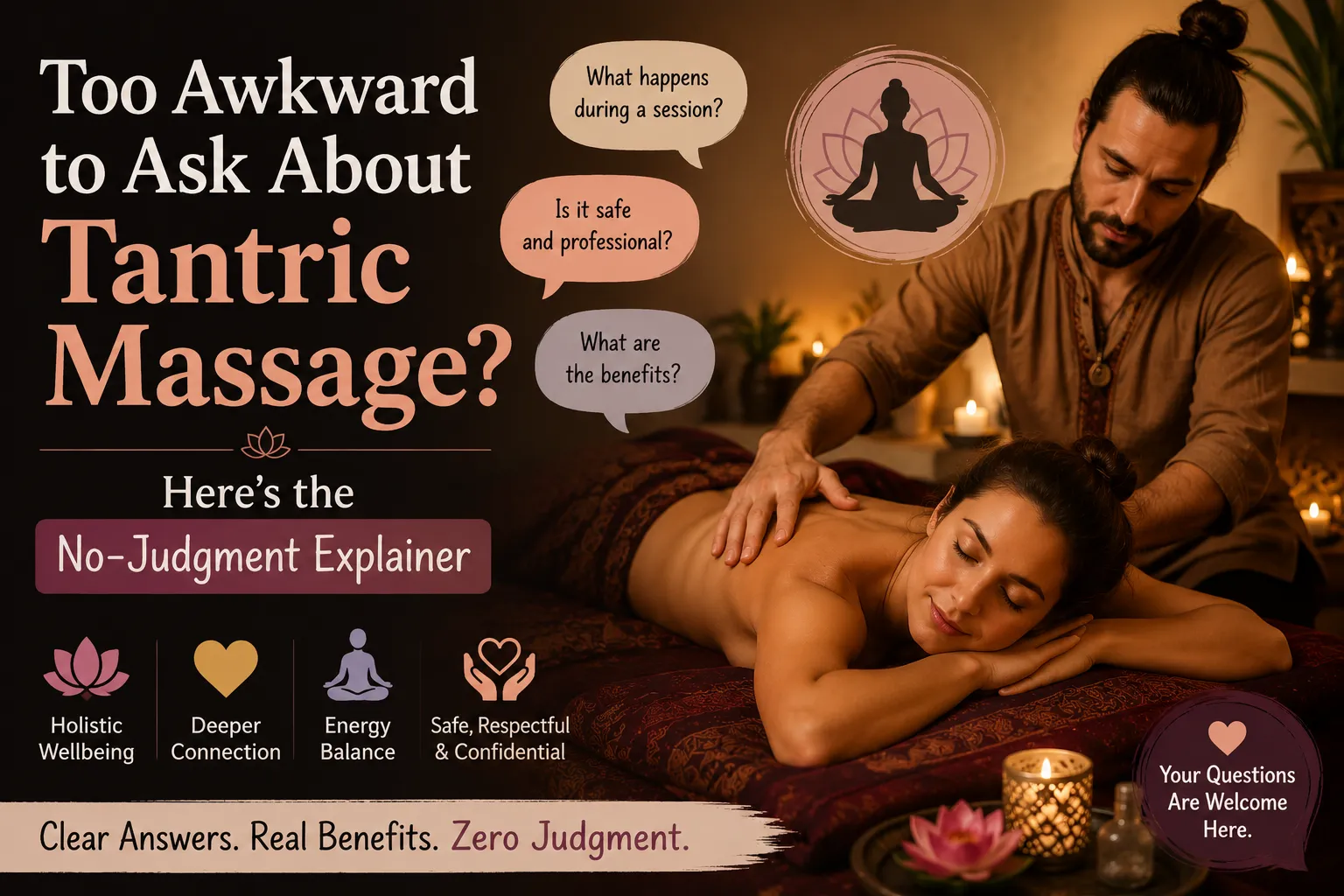
If you’ve typed a question about tantric massage into a search bar, deleted it, and tried again with different wording — you’re far from alone. Almost everyone who’s curious about this topic goes through the same hesitation before they ever speak to a real person about it.
That awkwardness doesn’t come from the topic being shameful. It comes from not knowing the “right” way to ask, what’s normal to want to know, or how a professional setting actually works. Online portrayals haven’t helped — they tend to swing between overly clinical and wildly exaggerated, leaving genuine beginners with very little useful middle ground.
So let’s remove the mystery. If you’re searching for tantric massage and feel unsure where to even start, the goal of this guide is simple: explain it plainly, without judgment, so you can ask your real questions with confidence.
Why the Awkwardness Happens in the First Place
Embarrassment in this context almost always comes from uncertainty — not from doing anything wrong. People aren’t sure:
- whether their question is “appropriate”
- what actually happens during a session
- how to talk about it without sounding strange
- whether a therapist will judge them for asking
In reality, the people exploring tantric massage are everyday professionals, couples, and individuals dealing with stress, tension, or simple curiosity about a different kind of relaxation. They’re not asking anything unusual — they just don’t have a script for it.
A good studio understands this and answers questions calmly, without making anyone feel like they’ve said something taboo.
So What Is Tantric Massage, in Plain Terms?
Strip away the mystique, and tantric massage is a slow, mindful form of bodywork inspired by tantra’s emphasis on breath, presence, and body awareness. A professional session typically combines:
- unhurried massage techniques
- guided or gentle breathwork
- a calm, low-stimulation environment
- attention to the connection between body, breath, and emotion
Here’s a simple way to think about it: it’s a deliberately slow wellness experience that uses mindful touch and breath to help someone feel calmer, more grounded, and more present in their own body.
That’s it. No mystery required.
What It’s Definitely Not
Because online discussion of this topic is so inconsistent, it helps to be direct about what tantric massage isn’t:
- It’s not a substitute for medical care or psychotherapy.
- It’s not something that should involve confusion, pressure, or unclear boundaries.
- It’s not “anything goes” — professional settings have clear structure and limits.
A trustworthy provider will be upfront about what a session includes, what it doesn’t, how privacy is handled, and what to expect from start to finish. If a service description feels deliberately vague or overly suggestive, treat that as a signal to look elsewhere — professionalism should come before atmosphere.
Why Curiosity About This Is Completely Ordinary
Modern life leaves a mark on the body. Long hours, constant screen time, commuting, poor sleep, and emotional fatigue often show up as:
- tight shoulders and jaw
- shallow breathing
- trouble switching off
- low body confidence
- general physical tension
Interest in tantric massage, breathwork, and somatic wellness has grown largely because people are looking for a different relationship with their own bodies — not just another massage to work out a knot.
Seen that way, asking about tantric massage isn’t an awkward question. It’s a wellness question, same as asking about meditation classes or sleep coaching.
What Actually Happens in a Session?
Every studio is a little different, but professional sessions typically start with a conversation — not the massage itself. Before anything begins, a therapist will usually:
- explain how the session works
- ask about comfort levels and any concerns
- discuss boundaries
- give you time to settle into the space
From there, a session might include breathing or grounding exercises, slow massage work, sensory elements like soft lighting or calming scents, and time afterward to simply rest. The pace is usually noticeably slower than a typical massage — the goal isn’t to “get through” muscle groups quickly, but to build a deeper sense of relaxation.
For most first-timers, the biggest surprise is how calm and unremarkable the experience feels when it’s done professionally — not dramatic, just deeply relaxing.
How It Differs From a Standard Massage
A typical massage focuses on muscles: where’s the tension, where are the knots, how can circulation improve. Tantric massage may include physical relaxation too, but the emphasis shifts toward presence, breath, and whole-body awareness.
Put simply: a regular massage asks “where does it hurt?” A tantric session asks “what happens when your breath, body, and attention all slow down together?”
That subtle shift is why many people describe it as feeling more like an immersive ritual than a quick appointment.
Boundaries Aren’t Awkward — They’re the Point
One of the clearest signs of a professional environment is how it handles boundaries. A good therapist will never make you feel embarrassed for asking questions or setting limits — in fact, clear communication tends to make everyone more comfortable.
Reasonable things to ask or state include:
- “Can you walk me through what the session involves?”
- “I’d like to start with a shorter session.”
- “I’m not comfortable with X — is that okay?”
- “What training do your therapists have?”
If a therapist or studio reacts poorly to questions like these, that’s a meaningful red flag — professionalism includes how people respond to boundaries, not just technique.
Why People Research Privately First
Search behavior around this topic — questions like “is tantric massage awkward” or “what actually happens during tantric massage” — almost always comes from people who are interested but cautious. That’s a completely human response.
People want to know whether something is legitimate, beginner-friendly, and worth their time before they ever make contact. That’s exactly why clear, honest information matters so much — it lets people arrive at a studio already informed, rather than nervous and unsure.
Is It Sensual?
This is often the question people feel most uncomfortable asking — so let’s answer it directly.
Tantric massage can involve heightened sensory awareness: attention to breath, warmth, touch, and stillness. In a professional context, “sensual” doesn’t mean unclear, unsafe, or inappropriate — it refers to a slower, more attentive relationship with physical sensation. A reputable session remains professional, consent-based, and clearly explained throughout.
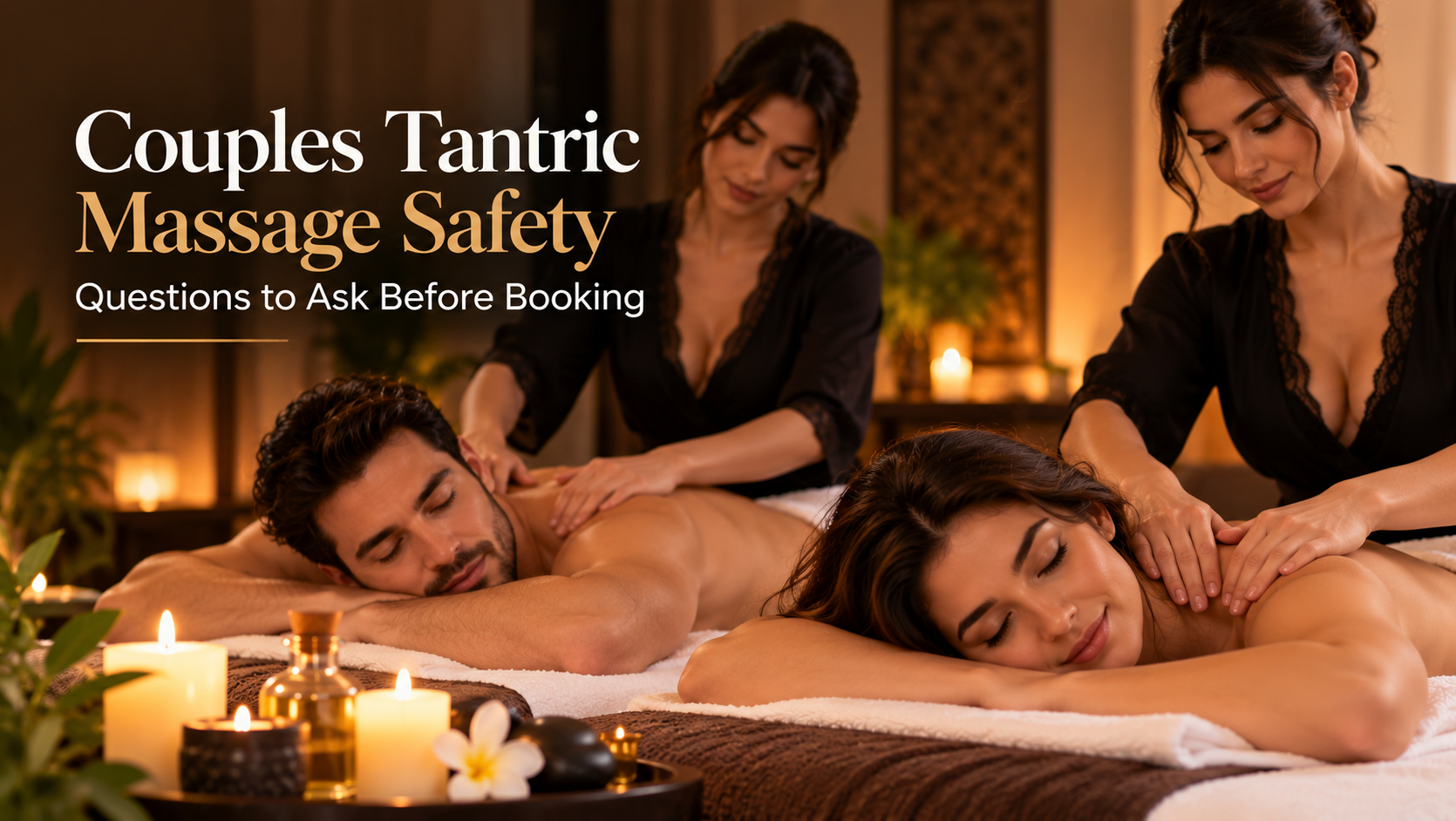
What About Couples?
Couples explore tantric massage for all kinds of reasons — most commonly to reconnect, slow down together, or share a wellness experience outside their usual routine. Many aren’t dealing with anything dramatic; they’re simply busy, distracted, or craving uninterrupted time together.
A good studio will discuss couples’ sessions with the same clarity and discretion as individual ones — explaining structure, boundaries, and what to expect for both people.
Questions Worth Preparing in Advance
If you’re nervous, it can help to have a few questions ready:
- “Is this suitable for someone trying it for the first time?”
- “What does the session actually involve?”
- “How are boundaries handled?”
- “What’s your therapists’ background or training?”
- “What should I expect to feel afterward?”
None of these are unusual questions. A serious studio will answer them as a matter of course.
The Bigger Picture
At its core, tantric massage is a body-based wellness practice built around relaxation, breath, mindful touch, and emotional safety. There’s nothing to be embarrassed about in wanting to understand it better.
Once the mystery is removed, what’s left is a fairly human interest — in rest, connection, and feeling more comfortable in your own body. In a world that rarely slows down, that’s not unusual at all. It’s increasingly common.
FAQs
Is it normal to feel embarrassed asking about this?
Yes — it’s one of the most common reactions, usually driven by uncertainty rather than the topic itself. A good studio will explain things clearly and without judgment.
What is tantric massage in simple terms?
A slow, mindful relaxation practice using breath, gentle touch, and a calm environment to support physical and emotional relaxation.
Is it suitable for beginners?
Yes, when offered by professionals who clearly explain boundaries, structure, and what to expect.
How can I tell if a studio is professional?
Look for clear communication, transparent service descriptions, respectful language, and an emphasis on comfort and privacy.
Can I ask questions before booking?
Absolutely — a trustworthy provider welcomes questions about the session, therapist experience, and what to expect.
Should it feel uncomfortable?
No. A professional session should feel calm, respectful, and consent-based throughout, with room to communicate at any point.