admin
admin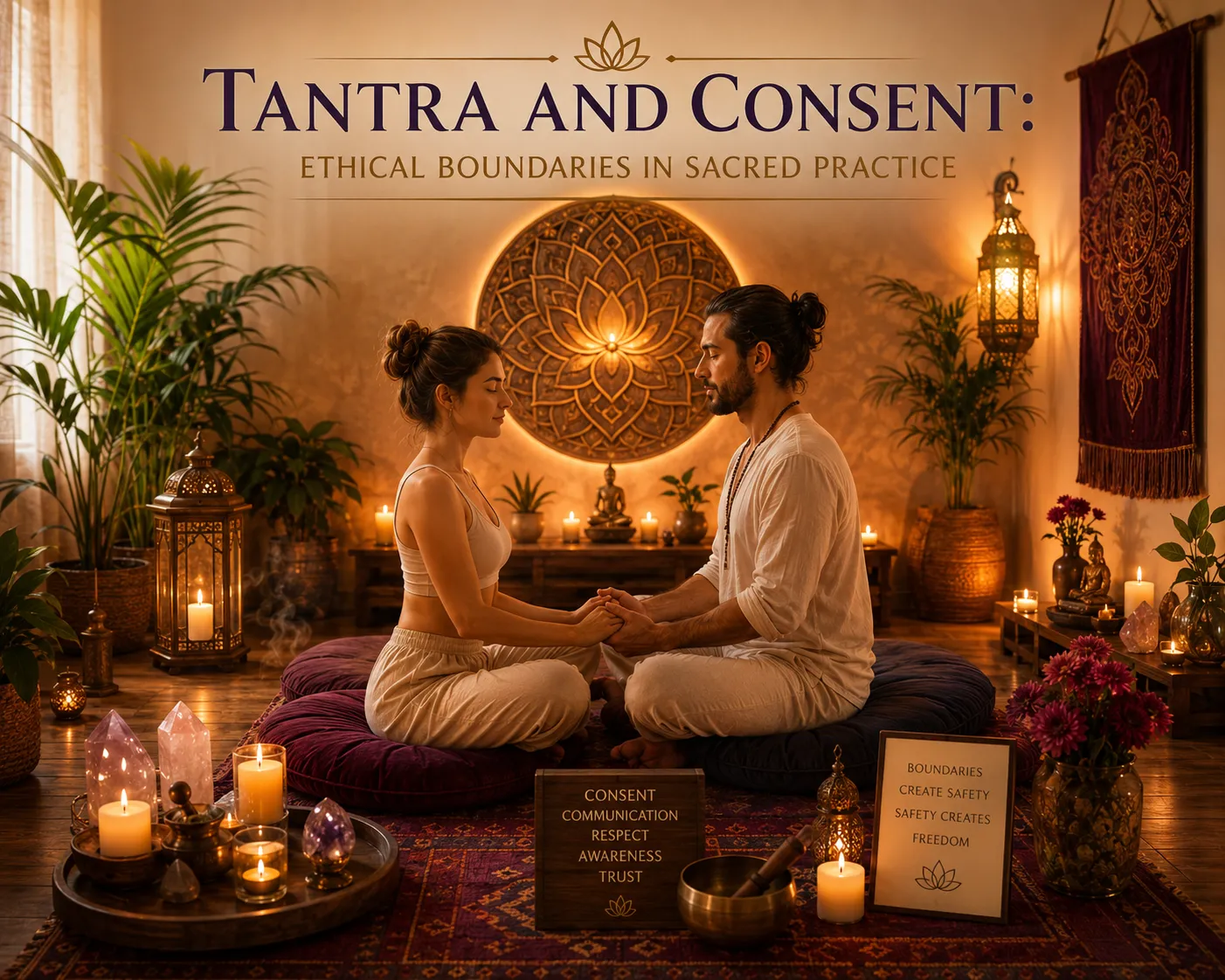
Consent Is the Foundation
Tantra is often described as a path of intimacy, presence, and embodied awareness. None of that is possible without consent. A practice may include breath, eye contact, movement, meditation, or touch, but every part of it must rest on clear permission. Without safety, the body cannot open. Without choice, there is no sacredness.
Consent is more than a single yes at the beginning. It is an ongoing conversation. A person may feel comfortable with one practice and not another. They may change their mind. They may need a pause. Ethical tantra makes space for all of that without pressure, guilt, or persuasion.
This is especially important when people encounter tantra through commercial searches such as erotic massage in London. Any serious practitioner or studio should explain boundaries clearly and avoid vague promises, hidden expectations, or rushed consent.
What Ethical Boundaries Look Like
Healthy boundaries are not barriers to intimacy. They are the structure that allows intimacy to feel safe. A couple, teacher, or practitioner should discuss what will happen, what will not happen, and how someone can stop the practice at any time.
- Use clear language before the session begins.
- Ask before initiating touch, eye contact exercises, breathwork, or emotional prompts.
- Accept no immediately and without argument.
- Check in during the practice if the body language changes.
- Leave room for modesty, privacy, and different comfort levels.
These agreements reduce anxiety. The nervous system relaxes because it knows there is a way out. Trust grows when the person feels respected, not managed.
The Difference Between Pressure and Invitation
Tantric language can sound intense. Words like surrender, opening, energy, and devotion are sometimes misused to push people past their limits. Ethical practice uses invitation, not pressure. The practitioner may offer a breathing exercise, but the participant remains free to decline. A partner may ask for closeness, but the other person remains free to say not now.
A safe yes is specific, informed, and reversible. Specific means the person knows what they are agreeing to. Informed means the practice has been explained clearly. Reversible means the person can change their mind without punishment.
This approach protects both people. It prevents confusion and allows connection to grow from honesty rather than assumption.
Consent in Couples Practice
Couples sometimes assume that long-term intimacy removes the need for consent. Tantra teaches the opposite. Familiarity is not permission. A partner’s body, energy, emotions, and boundaries can change from day to day. Asking creates respect. Listening creates safety.
Before a shared practice, couples can discuss what feels supportive today. One partner may want simple breathing. The other may prefer stillness or hand-holding. There is no failure in choosing less. In fact, choosing less can build trust because it proves the relationship values honesty over performance.
Couples exploring professional support may search for the best tantric studio in London or the most popular tantric massage parlor in London. The safest choice is always the place that speaks plainly about consent, practitioner ethics, privacy, and realistic outcomes.
A Consent-Based Practice at Home
A simple consent ritual can begin any practice. Sit facing your partner. Ask, what would feel supportive today? Ask, what is off limits today? Ask, how should we pause if either of us needs a break? These questions may take only five minutes, but they change the emotional quality of the entire experience.
Consent also belongs in solo practice. A person can ask their own body what it needs. Rest, movement, breath, journaling, or Tantra yoga for better health may be more appropriate than intense emotional work on a given day.
Ethical tantra does not rush the body. It honours the body. That is why consent is not a formality. It is the practice itself.