admin
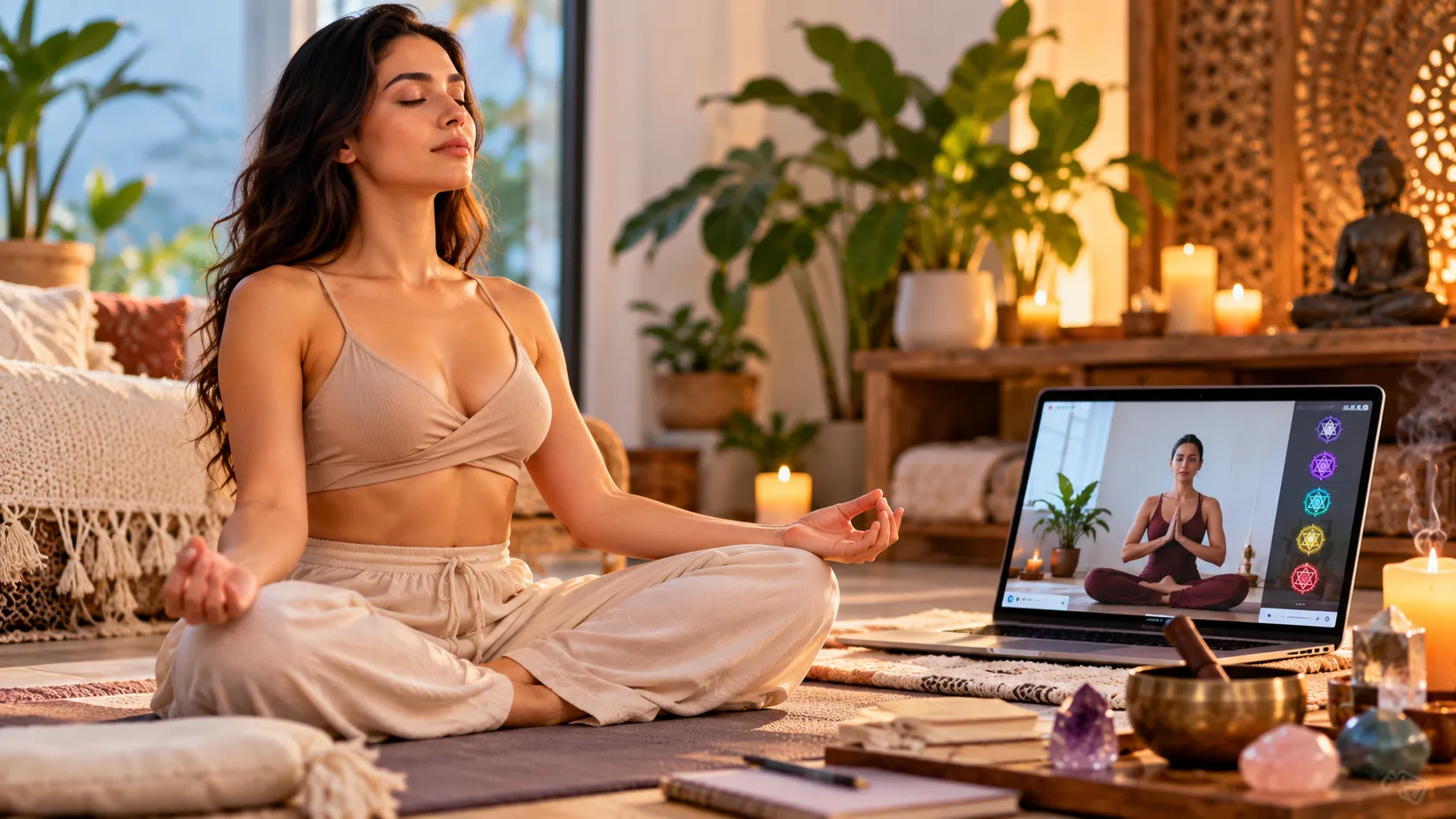
Mind-body awareness is more than noticing sensations. It is the ability to observe a signal, describe it accurately, consider its context and choose what to do next.
Imagine closing your laptop after a difficult conversation. Your thoughts say the moment has passed, yet part of you still feels alert. You may want to move, take a fuller breath, sit quietly or speak to someone. Mind body awareness begins in that gap between what the mind reports and what the body is still experiencing.
Learning to recognise that gap can make wellness feel less abstract. Instead of waiting until stress, fatigue or disconnection becomes impossible to ignore, you practise noticing earlier signals and responding with more choice. An online tantric course can introduce this process through guided attention, reflective exercises and body-based learning that fits into daily life.
The purpose is not to interpret every sensation as a problem. It is to become a more accurate observer of your own experience. When combined with a broader holistic wellness course, that skill can support self-awareness across work, rest, relationships and personal development.
Mind Body Awareness Is a Skill, Not a Mood
Mind body awareness refers to the ability to notice how thoughts, emotions, physical sensations and behaviour influence one another. A person might recognise that rushing changes their breathing, that uncertainty creates an urge to withdraw or that a calm environment makes concentration easier. These observations are ordinary, but paying attention to them deliberately turns them into useful information.
Body mindfulness is the practice of meeting that information with steady attention. It does not require an empty mind or a permanently relaxed body. You might notice restlessness, warmth, heaviness, comfort or very little at all. The practice lies in observing what is present without immediately judging it or forcing it to change.
This approach sits within the wider family of mind-and-body practices. The US National Center for Complementary and Integrative Health uses that term for diverse approaches that engage interactions between the brain and body. The UK National Health Service also describes mindfulness as paying attention to thoughts, sounds, breathing and bodily sensations. Neither source suggests that awareness is a cure-all. Both help place it within a practical wellness context.
A Four-Part Awareness Cycle
A useful course should give learners more than a collection of techniques. It should provide a process they can apply in different situations. One simple learning cycle has four parts:
- Notice: Pause long enough to detect a physical signal, emotion, thought pattern or impulse. The aim is observation, not diagnosis.
- Describe: Use plain language. “My hands feel warm” is more precise than “something is wrong.” Accurate description can reduce the urge to build a dramatic story around a sensation.
- Connect: Consider the context. What happened just before the signal appeared? Does it change with movement, rest, conversation or a shift of attention?
- Choose: Decide on a proportionate next step. You might continue, slow down, ask a question, take a break, set a boundary or seek appropriate support.
This cycle turns self-awareness into an active skill. It also prevents body mindfulness from becoming endless inward monitoring. The goal is to gather enough information to participate in life with greater clarity, not to examine yourself all day.
What Tantric Practices Can Add
Tantra is often presented through a narrow sexual lens, but modern educational settings may work with attention, breath, movement, meditation, communication and relational awareness. These somatic practices can offer a structured way to explore how presence changes experience.
For example, moving slowly may reveal the difference between deliberate action and automatic momentum. Observing the breath may show when effort becomes strain. Reflecting on consent and boundaries can help learners distinguish genuine willingness from habit or social pressure. Each practice creates feedback that can strengthen mind body awareness.
Responsible teaching keeps the learner’s agency central. Participation should be voluntary, options should be clear and no one should be pressured into touch, disclosure or intensity. Good online Tantra training treats the ability to pause or opt out as part of the learning rather than a failure to complete it.
Why Combine Tantric and Holistic Wellness Education
A single exercise can be helpful, but a course can show how different practices relate. Breath awareness may sit alongside journalling. Movement may be followed by rest and reflection. Communication exercises may connect personal sensations with the language used to express a need. This integration is one of the potential strengths of wellness education.
The holistic perspective asks learners to consider the whole context of wellbeing rather than chasing one ideal state. Sleep, environment, relationships, workload, movement, values and access to care can all influence how someone feels. Somatic practices contribute information, but they are one part of that wider picture.
This framing also encourages realistic expectations. A holistic wellness course can offer knowledge, practice and a framework for reflection. It should not promise to diagnose conditions, resolve trauma or replace medical or psychological care. Adults experiencing persistent or overwhelming symptoms should consult an appropriately qualified professional.
The Online Format Creates a Learning Rhythm
The main advantage of online study is not simply convenience. It is the opportunity to build a rhythm. A learner can watch a lesson, try a short practice, record what they noticed and return to the material after real life has tested it.
Repetition matters because awareness can change from day to day. A breathing exercise may feel settling on one occasion and distracting on another. A movement practice may reveal energy in the morning and tiredness in the evening. Revisiting the same material helps learners notice variation instead of deciding too quickly that a practice either “works” or “does not work.”
Online learning can also make reflection more private. Learners can choose a suitable space, keep notes and move at a measured pace. Live teaching or question sessions may add useful support, provided the course explains how to contact the educator, what feedback is available and where the educator’s role ends.
Try a Seven-Day Observation Experiment
A simple experiment can help translate course ideas into everyday awareness. For seven days, choose one repeatable moment, such as beginning work, finishing a meal or preparing for sleep. Spend one minute recording four details:
- Situation: What was happening, and where were you?
- Signal: What was the clearest sensation, emotion or impulse you noticed?
- Pattern: What seemed to increase, soften or change that experience?
- Choice: What small response did you make, and what happened next?
At the end of the week, look for patterns without trying to prove a theory. Perhaps you concentrate better after movement, need more transition time between tasks or notice that certain conversations affect your posture. The value lies in collecting specific observations that can guide practical choices.
Choosing a Course That Fits Your Purpose
Before enrolling, decide what you want from the experience. Are you seeking a personal practice, a structured introduction to holistic wellbeing or knowledge that may complement an existing professional role? Clear goals make it easier to assess whether the curriculum, level of support and time commitment are suitable.
Read how the course handles consent, privacy and emotional safety. Check whether practices are solo or partnered, live or recorded, required or optional. If professional development is part of your goal, verify what any certificate represents and research the legal, insurance and scope-of-practice requirements where you live.
AOMT presents online learning in Somatic Bioenergetic Tantra for adult personal development and professional interests, with course modules designed to build in sequence. Prospective learners can explore AOMT’s educational perspective on somatic practices and review the wider learning pathways on the Academy of Modern Tantra website. Compare the stated outcomes with your own purpose before deciding whether the approach is a good match.
Awareness Becomes Useful Through Practice
Mind-body awareness is not a special state reserved for meditation. It can appear in the moment you notice that you need a pause, recognise that your attention has narrowed or realise that a clear boundary would support a better conversation.
An online tantric course can give those moments a framework, while holistic learning helps place them within the wider conditions that shape wellbeing. The most meaningful progress is often quiet: more accurate observation, less automatic reaction and a growing ability to choose what supports you next.
AOMT provides adult education in Tantra, somatic bioenergetic practice and holistic wellness for personal development and professional interests. Explore its learning pathways at academyofmoderntantra.co.uk.